Body Contouring Farmington Hills: Safe and Effective Solutions
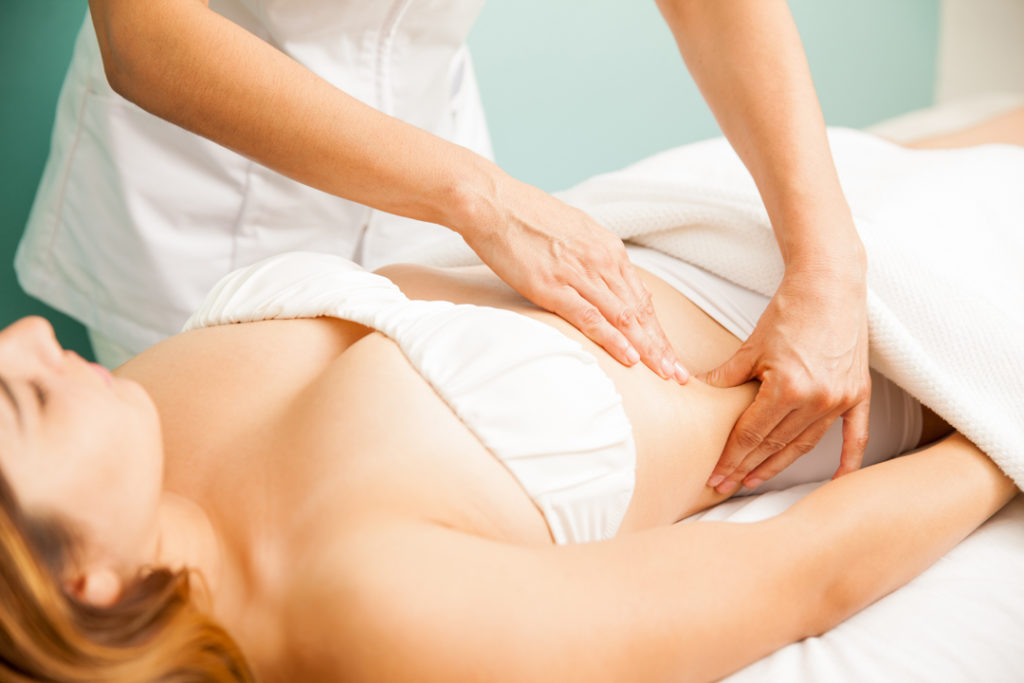
Body contouring is one of those terms people hear often, but it covers a wide range of treatments, goals, and expectations. In practice, most people who ask about body contouring are not looking for a dramatic transformation overnight. They usually want a more defined waist, smoother abdomen, less fullness under the chin, or help with stubborn areas that have not responded to diet and exercise. In a community like Farmington Hills, where patients often balance careers, family responsibilities, and social commitments, the most common question is simple: what actually works, and what is worth the time, cost, and recovery?
That question deserves a careful answer. Safe and effective body contouring is rarely about chasing trends. It is about matching the right treatment to the right person, understanding what the technology can and cannot do, and choosing a qualified provider who knows how to evaluate skin quality, fat distribution, muscle tone, and overall health. The best outcomes come from judgment, not marketing.
When people search for Body Contouring Farmington Hills, they are usually comparing a mix of non-surgical and surgical options. Both categories can produce meaningful results. The difference lies in how much change is possible, how quickly results appear, and what trade-offs come with each path.
What body contouring really means
Body contouring refers to procedures that reshape specific areas of the body by reducing fat, tightening skin, improving muscle definition, or a combination of the three. It is not the same as weight loss. A person can lose twenty pounds and still feel bothered by fullness in the lower abdomen or loose skin along the arms. On the other hand, someone at a stable, healthy weight may be a strong candidate for contouring because their concerns are localized.
The most frequently treated areas include the abdomen, flanks, thighs, upper arms, under the chin, back, and buttocks. In women, post-pregnancy changes often bring concerns about abdominal laxity and fat deposits around the waist. In men, the conversation often centers on the midsection and chest. Age also matters. A patient in their thirties with good skin elasticity can respond very differently than someone in their late fifties with thinner, less resilient skin.
That distinction matters because fat reduction and skin tightening are not the same thing. Removing volume from an area does not guarantee smooth contours if the skin cannot contract well afterward. This is where many disappointing outcomes begin, not because the treatment failed, but because the treatment chosen did not match the anatomy.
Why people seek body contouring in Farmington Hills
Patients in suburban communities tend to be practical. They are often less interested in novelty and more interested in reliable improvement with a realistic downtime plan. In Farmington Hills, many people want treatments that fit around work and family life. That means non-surgical procedures are attractive, but only when expectations are properly set.
A good example is abdominal fat after weight loss. A patient may be within ten pounds of their goal weight, exercise several times a week, and still feel that the lower belly projects more than the rest of the body. If skin tone is good, a non-invasive fat reduction treatment may help. If the same patient also has stretched skin and muscle separation after pregnancy, the better answer may be surgery, even if that is not what they hoped to hear. Honest guidance is more valuable than an easy sales pitch.
Non-surgical body contouring, where it works best
Non-surgical body contouring has improved substantially over the last decade. The strongest candidates are people close to their target weight who have pinchable fat in specific areas and mild to moderate skin concerns. These treatments are not substitutes for bariatric care, medical weight management, or a fitness program. They are refinement tools.
Cryolipolysis, radiofrequency, ultrasound-based fat reduction, injectable fat dissolvers for small areas, and muscle stimulation devices all fall under the non-surgical umbrella. Each works differently. Some target fat cells by cooling them. Others use heat to affect collagen and skin tightness. Some stimulate muscle contractions to improve tone. None are interchangeable, even though ads sometimes make them sound that way.
A person with a small pocket of fat above the waistband may do well with one approach, while a patient with loose crepey skin on the abdomen may benefit more from a treatment focused on collagen remodeling. Results also take time. Non-surgical contouring usually unfolds over several weeks to a few months, because the body needs time to process the treated tissue and remodel gradually.
One of the biggest advantages is convenience. Many sessions are done in an office setting, and patients return to routine activities the same day or within a day. The trade-off is modest change compared with surgery. If someone wants a major reduction or significant tightening, a non-surgical option may not be enough.
Surgical contouring, when more change is needed
Surgical body contouring remains the most effective option for patients who need a substantial correction. Liposuction can remove larger volumes of fat and sculpt more precisely than non-invasive treatments. Abdominoplasty, often called a tummy tuck, addresses loose skin and can repair separated abdominal muscles. Body lift procedures may be considered after major weight loss when skin excess is widespread.
These are not small decisions. Surgery brings anesthesia considerations, recovery time, swelling, compression garments, activity restrictions, and a higher upfront cost. It also offers a different category of result. A person with significant skin laxity is often relieved to learn that there is a treatment that can actually remove the excess, rather than merely hope it contracts.
The most satisfied surgical patients are usually the ones who understood that the procedure would improve contour, not perfection. Small asymmetries, scar maturation, and a recovery period that tests patience are all part of the real picture. Experienced surgeons spend a lot of time on these details because they matter more than glamorous before-and-after photos.
Safety starts before the procedure
If there is one theme that separates strong outcomes from regrettable ones, it is patient selection. The consultation should feel more like a medical evaluation than a sales event. A provider should ask about weight stability, previous surgeries, pregnancies, medications, smoking or nicotine use, clotting history, and long-term goals. They should examine not only the area that bothers you, but also the surrounding anatomy so the final shape looks balanced.
Safety also depends on identifying who should wait. Someone planning to lose another thirty pounds will usually get better results by finishing that process first. A patient with uncontrolled diabetes, active nicotine use, or unrealistic expectations may need to postpone treatment or choose a different route altogether. In my experience, the best providers are comfortable telling patients no, or not yet. That restraint is a sign of professionalism, not hesitation.
When evaluating Body Contouring Farmington Hills practices, credentials matter. The provider’s training, the setting where procedures are performed, and the quality of follow-up care all deserve attention. If a procedure is described as easy, painless, and perfect for everyone, that is a red flag. Good medicine rarely sounds like a universal shortcut.
How to tell if you are a good candidate
A strong candidate is usually in reasonably good health, near a maintainable weight, and bothered by a localized contour issue rather than generalized obesity. Stable habits matter. Body contouring can remove or reduce targeted fat, but it does not stop future weight gain. If a person’s weight fluctuates significantly after treatment, the result can soften or become uneven.
Skin quality matters just as much as body weight. Two people with the same amount of abdominal fat can need completely different treatments based on skin elasticity. This is why online quizzes and generic treatment menus are poor substitutes for an in-person assessment. A provider who pinches the tissue, checks skin recoil, and discusses how your body has changed over time will give you a far more useful answer.
There is also a psychological side to candidacy that should not be ignored. The healthiest motivations tend to be specific and personal. Someone wants clothing to fit better, a waistline to look more proportional, or post-pregnancy changes to feel less intrusive. Patients who expect a treatment to repair self-esteem or dramatically alter relationships are more likely to feel let down, even with technically good results.
The areas that respond best
The abdomen and flanks are by far the most common concerns, and they often respond well because they contain clearly defined pockets of subcutaneous fat. The upper arms can also improve, although loose skin there is a limiting factor. Under-chin contouring has become increasingly popular because even a small reduction in fullness can sharpen the jawline noticeably.
Thighs are more complex. Inner thighs may respond well in some patients, but skin laxity can become more visible if fat is reduced without enough tissue support. The same caution applies to the bra line and upper back. A treatment can reduce bulk, yet if skin quality is poor, smoothing the contour takes more finesse.
This is one reason seasoned providers often discuss body contouring in terms of overall silhouette rather than isolated spots. A waist looks different when the flanks, lower abdomen, and back are all considered together. Good contouring is less about one small area and more about transitions.
Recovery and the reality of downtime
Patients often underestimate the difference between discomfort and downtime. A non-surgical treatment may allow you to work the same day, but that does not mean you will feel nothing. Some methods cause temporary numbness, swelling, tenderness, or bruising. Surgical procedures typically require a more deliberate recovery. You may be mobile quickly, but exercise, lifting, and sleeping comfortably can take longer than people expect.
Swelling deserves special mention because it tests patience. Whether treatment is surgical or non-surgical, final contours usually appear in stages. Early changes can look uneven or subtle. This is normal. Bodies heal on their own timeline. Rushing the process or judging the outcome too early is one of the easiest ways to create unnecessary anxiety.
A practical recovery plan usually includes the following:
- Clear your calendar more than you think you need to, especially after surgery.
- Follow garment and activity instructions exactly, even when you start feeling better.
- Keep your weight stable during recovery, because fluctuation can blur the result.
- Stay hydrated, walk as advised, and watch for any symptoms your provider flagged as concerning.
- Attend follow-up visits, because small issues are easiest to address early.
That kind of discipline sounds basic, but it has a measurable effect on healing and satisfaction.
What results are realistic
This is where nuance matters. Non-surgical body contouring can create visible refinement, but it usually will not replicate the dramatic flatness or skin tightening possible with surgery. A patient may notice that pants fit better, that a roll over the waistband is reduced, or that a profile view looks smoother. Those are valuable improvements, even if they are not transformative on the scale of a major operation.
Surgery can produce more significant changes, but it introduces scars and a more demanding recovery. Many patients are happy to accept that trade-off when loose skin is the real problem. Others prefer a more modest non-surgical improvement because avoiding downtime matters more to them than maximum correction. Neither choice is inherently better. The better option is the one that matches the anatomy, risk tolerance, and personal priorities of the patient.
It also helps to know that body contouring often works best as part of a broader plan. A person may combine weight stabilization, strength training, nutrition counseling, and treatment of one or two stubborn areas. That integrated approach tends to age better than a one-time attempt to fix everything in one step.
Questions worth asking at a consultation
A consultation becomes much more useful when the questions go beyond price and promotions. Ask things that reveal judgment and experience:
- Am I a good candidate for this treatment, and if not, why not?
- Is my main issue fat, skin laxity, muscle separation, or a combination?
- What kind of result is realistic for my body, not just for ideal candidates?
- How many sessions or how much recovery should I actually expect?
- What complications or disappointments are most common with this option?
The answers should feel specific to you. If the conversation sounds scripted, keep looking.
Cost, value, and the temptation to choose by price alone
Body contouring prices vary widely based on the technology used, the number of areas treated, whether anesthesia is involved, and the provider’s expertise. A lower advertised number can be misleading if it covers only one small treatment area or excludes follow-up care. The opposite can also be true. A higher fee may reflect stronger supervision, better equipment, safer protocols, and more comprehensive aftercare.
Value in this space is not just the https://damienqril246.theburnward.com/the-benefits-of-scheduling-a-body-contouring-farmington-hills-consultation lowest number. It is the combination of safety, appropriate treatment selection, honest communication, and results that hold up over time. A bargain procedure that does not address the actual problem is expensive in the worst way. Patients who chase deals often end up paying twice, first for an inadequate treatment and then again for correction.
Red flags patients should not ignore
Some warning signs come up repeatedly. One is the promise of dramatic fat loss from a treatment that is designed only for small-volume contouring. Another is pressure to book immediately without a meaningful examination or discussion of alternatives. A third is a provider who dismisses concerns about skin quality, scars, or recovery because they want to keep the conversation easy.
Photos can also mislead. Lighting, posture, timing, and selective case presentation all influence what you see. Before-and-after images are useful, but they are not the whole story. Ask how long after treatment the photo was taken and whether the patient had a similar body type and concern to yours.
The role of lifestyle after treatment
One of the most common myths is that body contouring locks in results no matter what happens later. It does not. Treated fat cells may be reduced, but remaining fat cells can still enlarge if weight increases substantially. Skin can also loosen further with age, pregnancy, or major weight changes.
Patients who maintain the best results usually keep a stable routine. They eat in a way they can sustain, not in short bursts of restriction. They move regularly. They understand that body contouring is an assist, not a substitute for long-term health habits. This tends to create a better relationship with the outcome. The result feels supported rather than fragile.
Choosing the right path in Farmington Hills
For anyone considering Body Contouring Farmington Hills, the smartest next step is not picking a device from a menu. It is getting a careful evaluation from a qualified professional who can separate what is possible from what is wishful thinking. Some people are ideal candidates for a non-surgical treatment and can see meaningful improvement with very little interruption to daily life. Others need the power of surgery to address skin laxity or more substantial contour changes. Many fall somewhere in between and benefit from a staged approach.
Safe and effective body contouring is less about hype and more about alignment, the right treatment, the right anatomy, the right timing, and the right expectations. When those pieces fit, the results often look natural because they are not trying too hard. Clothes fit better. Proportions feel more balanced. The treated area stops demanding attention every time someone gets dressed or catches a side view in the mirror.
That is usually the real goal. Not a different identity, not a fantasy body, just a version of your shape that reflects the effort you already put into your health and appearance. Done well, body contouring can help close the gap between how you feel and what you see. In the right hands, that is where safety and effectiveness meet.
Aesthetic Plastic Surgery & Laser Center, Michelle Hardaway M.D.
Address: 27920 Orchard Lake Rd, Farmington Hills, MI 48334
Phone number: +12482211957
FAQ About Body Contouring Farmington Hills
What does body contouring actually do?
Body contouring (or body sculpting) eliminates stubborn localized fat, tightens loose, sagging skin, and reshapes your silhouette. It is not a weight-loss tool, but rather a cosmetic procedure used to refine and tone specific trouble spots after major weight loss, pregnancy, or aging.
How much does body contouring usually cost?
The total cost of body contouring usually ranges from $2,000 to $25,000+ depending entirely on whether you choose non-surgical sessions or major surgical procedures.
Because "body contouring" covers everything from simple fat-freezing to comprehensive post-weight-loss surgeries, pricing is heavily categorized by the method used.
What is the best type of body contouring?
Liposuction is a huge topic and worth discussing in more detail, but in terms of body contouring and sculpting, nothing does the job better than liposuction, particularly VASER liposuction.